
Trusted by clients from global brands to local charities






Where it usually starts
By the time people call us, the way they work has stopped keeping up with the business.
It worked when you were smaller. Now the same job gets done differently depending on who's in, the numbers from two teams never quite agree, and the knowledge sits with whoever has been there longest. It happens to most businesses that grow faster than the tools they started with, and fixing it doesn't mean stopping the business while you replace everything.
We type every order in twice.
Only one person really knows how the quoting sheet works.
We bought the software. Half the team still works around it.
The person who built our system has moved on, and nobody wants to touch it.
One system in the middle, everyone working from it
The fix is one system at the centre, connected to the tools you keep. An order typed once shows up in finance, in sales and in the Monday numbers, and the quoting sheet only one person understood becomes a screen anyone can use. We usually start with one team's problem, then bring in the others as each part is ready.
- Your systemOne version of the truth
- OperationsJobs, orders and stock in one place
- FinanceInvoices without re-keying
- SalesQuotes and customers in one CRM
- Your customersOrders and updates in a portal
- People on the roadThe same system on a phone
- ReportingOne view of how it's going
 Microsoft 365Work sign-in, alerts in Teams
What it looks like in use
The shapes it usually takes. Yours is built around how your business works, so it won't look like anyone else's.
What we do
Most projects use two or three of these together, run by one team from the first workshop to support.
Start with what matters most
Say the business runs on fifteen spreadsheets. Each one becomes part of one new system, but not all at once. The first release replaces the two or three the business leans on hardest, and the rest carry on as they are until their turn. Something real is in use within weeks, and the people using it tell us what to build next.
Today
- Orders
- Stock
- Quotes
- Jobs
- Invoices
- Suppliers
- Rota
- Pricing
- Contacts
- Returns
- Deliveries
- Timesheets
- Purchasing
- Reports
- Holidays
Your new system
- Orders
- Stock
- Quotes
- Jobs
- Invoices
- Suppliers
- Rota
- Pricing
- Contacts
- Returns
- Deliveries
- Timesheets
- Purchasing
- Reports
- Holidays
The other twelve keep going, fed from the new system until we get to them.
How a build runs
Short loops, real feedback, and something in use early.
Why businesses build their systems with us
- One team
The same people from the first workshop to support
The people in your workshop design it, build it and look after it afterwards. Nothing gets lost in a hand-over, and nobody asks you to explain the business twice.
- Ranges, not fixed prices
A budget range you can plan around
You budget for the top of an agreed range and we aim for the bottom of it. If we land there, the difference goes on the next most useful thing.
- Fifteen years
Business systems are where we started
Neptune began building business systems in FileMaker and now builds them on the web too, so the problem you bring is rarely a new one to us.
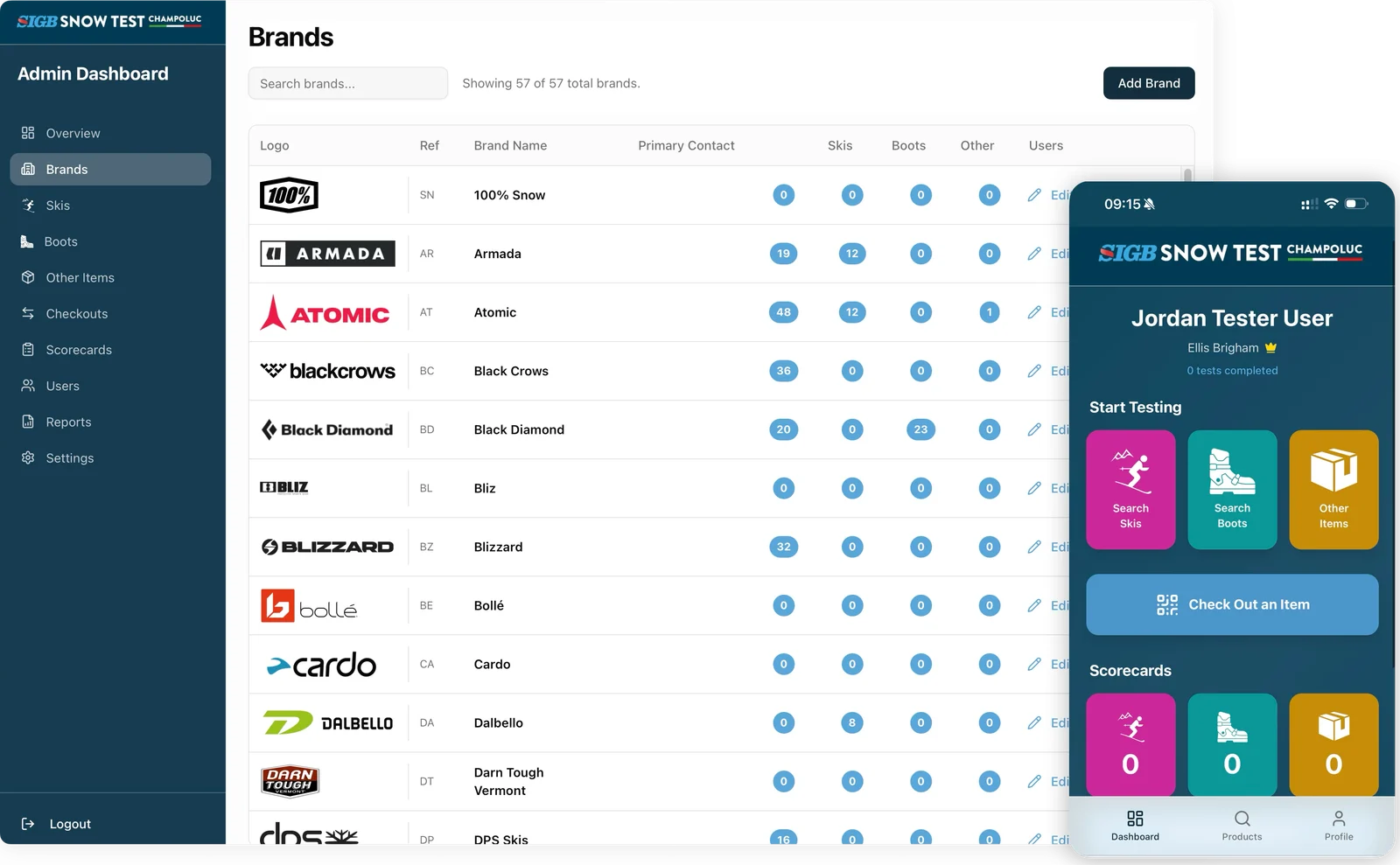 SIGB · Sport
Modernising Equipment Testing
We worked with Snowsport Industries of Great Britain to modernise their legacy FileMaker system. We delivered a responsive web dashboard and native tester app with QR code scanning and e-tickets.
MigrationFileMaker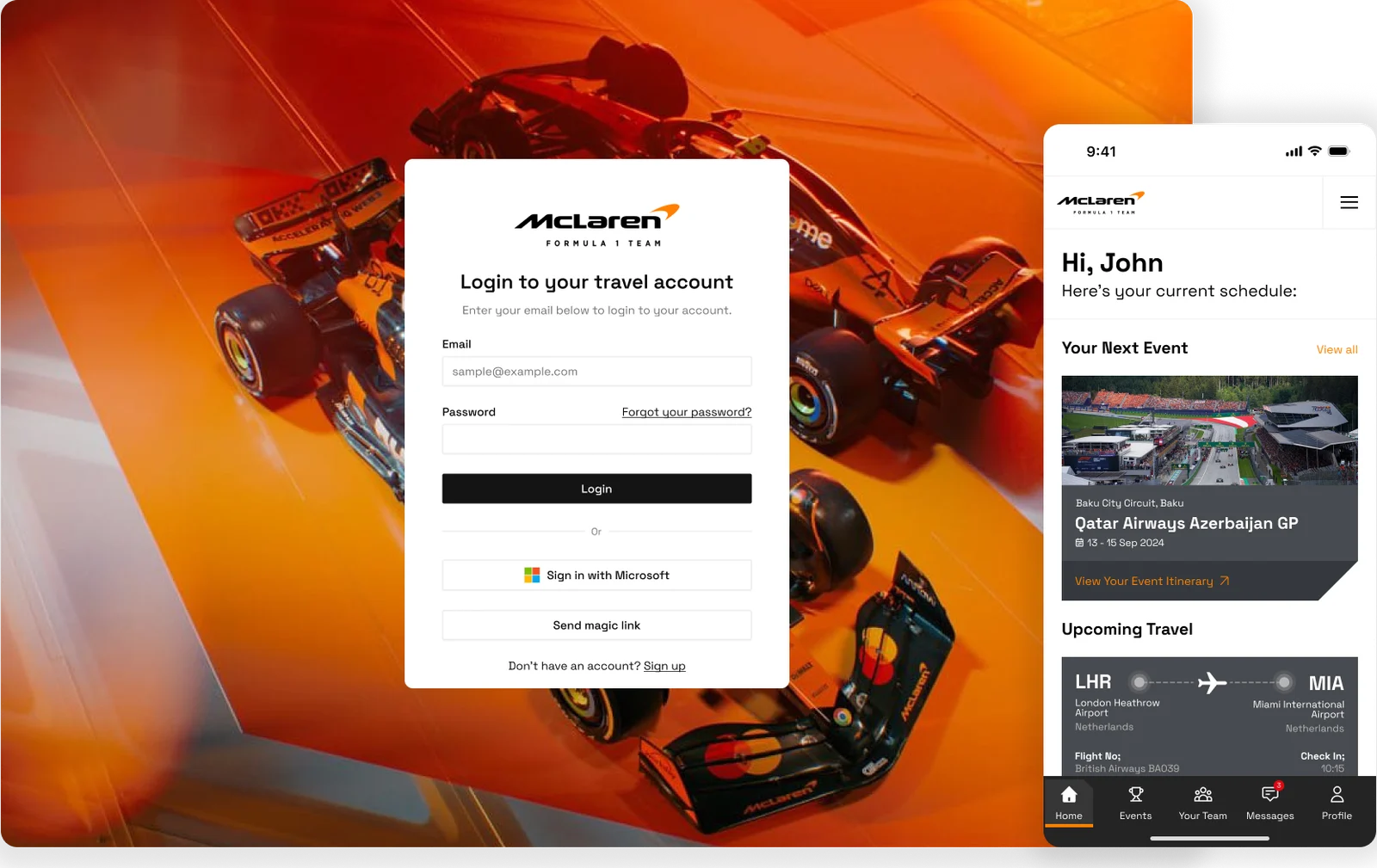 McLaren · Sport
New App for McLaren Formula 1 Team
A centralised travel management app that replaces scattered spreadsheets and folders, giving teams a single place to organise and oversee all their travel.
Web app development Fliteline · Travel and aviation
New Website with Enhanced User Experience and SEO Boost
Our team successfully built Fliteline's website using Webflow, integrating aircraft data from FileMaker with N8N workflows for seamless CMS management.
WebsitesWebflown8n
What clients say about working with us
Extremely satisfied. The team are extremely responsive, flexible, fast, and precise in all areas. We started together with a small project, and have since expanded the SoW significantly after the service and talent we got. 10/10, would recommend.
 William HillCEO, Bascule Insurance Services LLC
Working with Neptune has been an exceptional experience from start to finish. Their dedication, expertise, and swift execution in developing our system left me thoroughly impressed. The seamless communication and willingness to go the extra mile demonstrated their commitment to delivering excellence. Overall, my experience with Neptune has been nothing short of outstanding.
Jacquie FreearPurchasing Manager Neptune is highly creative, diligent in research, and provides excellent suggestions. We have accomplished much and thoroughly enjoyed our real-time suggest-and-edit sessions. Neptunes' flexibility and adaptability have resulted in impressive productivity within tight time frames and with exceptional quality.
 Craig CameronHead of R&D
I highly recommend working with Neptune. The process is hugely collaborative and made the project a joy to work on. Their understanding of FileMaker is second to none and they always finds ways to solve challenges through creative design. They are organised, calm and diligent in their work, and will go above and beyond to deliver.
 Mark HoldenManaging Director
Neptune provided an excellent professional, knowledgeable service and offer exceptional value to any project. Thank you to Jordan and the Team.
 Darren WilliamsProduct Owner, Solotech
Claris FileMaker
Already on FileMaker?
That's where Neptune started, and for plenty of businesses it's still the right tool. About half of our work starts with a system someone else built. We'll tell you straight which route fits.
Built on a modern, open stack
Our web apps and websites run on Next.js and Vercel, with Supabase underneath. Aikido checks the code for security issues, and Claude works alongside our engineers. Where FileMaker is the better fit, we use FileMaker.


Questions we get asked
The software your business runs on day to day: the apps, CRMs, portals and FileMaker systems that hold your orders, jobs, customers and numbers. We don't look after laptops, email or networks.
Usually, yes. We connect to tools like Microsoft 365, your accounts package or your CRM wherever they offer a way in, so information goes in once. If a tool can't connect, we'll say so in the workshop and suggest the next best route.
It depends on what the first release has to do, so we give you a range rather than a fixed price. A workshop is the quickest way to a range you can plan around.
You'll click through a prototype before anything is built, and the first release is usually in use within weeks. It covers the part of the process that matters most, so your team is using it while we build the rest.
We build mobile web apps: one build that works on a desktop and a phone and installs from the browser. We don't build native App Store apps, because for the systems a business runs on, you rarely need the second build.
Yes, and about half of our work starts that way. We look at it first, keep it running, then improve it or replace it a piece at a time.
Our web apps run on Vercel and Supabase, both independently audited every year, with your database, user accounts and files in the region you choose, the UK included. Our trust centre has the detail.